
Keeping safe online

We spoke to internet safety organisation, Get Safe Online, about how to use the internet safely…
Few can deny the many benefits brought by the internet. It has revolutionised the way we communicate, get information, entertain ourselves and our children, buy and pay for things, manage our money and access services. Its use has increased spectacularly since the onset of the COVID-19 pandemic, with its various lockdowns and other restrictions.
However, we should all be aware of issues we can encounter if we don’t stay alert and follow a few simple safety ‘rules’. Fraudsters, identity thieves and abusers have always existed, but the internet has made their lives easier and us more vulnerable. Nobody’s immune.
Get Safe Online has put together some top tips to help you protect yourself, your family, finances, devices and workplace from online harms.
- Choose, use and protect your passwords carefully, and use a different one for every online account.
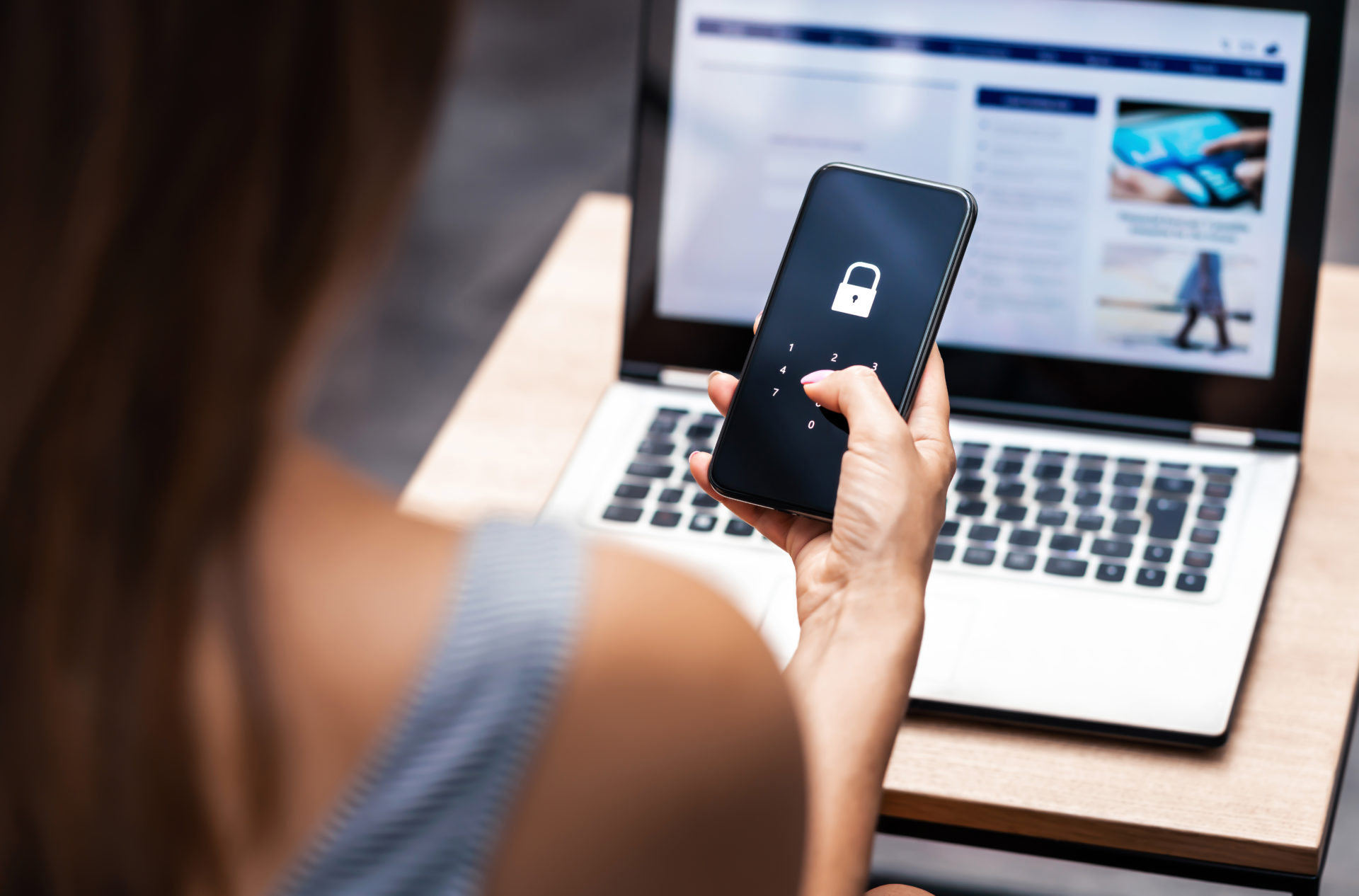
- Look after your mobile devices. Don’t leave them unattended in public places, and protect them with a PIN or passcode.
- Ensure you always have internet security (antivirus/antispyware) software loaded on computers and a similar app on your mobile devices.
- Always download software, operating system and app updates when prompted.
- Avoid using Wifi hotspots in places like cafes, bars and hotel rooms for doing anything confidential online.
- Never reveal too much personal or financial information in emails, on social networking and dating sites and in person.
- Remember that online or on the phone, people aren’t always who they claim to be.
- Don’t click on links in unexpected emails, posts, messages or texts and don’t open email attachments from unknown sources.
- Never pay for anything you find online by direct bank transfer unless it’s to someone you know personally and is reputable.
- Take your time and think twice, because everything may not be as it seems.
- Remember that if something seems too good to be true, it probably is.
So be vigilant and stay safe. But above all, continue to enjoy using the internet and taking advantage of its many benefits. For more information, visit www.gestsafeonline.org.
Let’s keep in touch!
Join our mailing list and we will keep you up to date about our projects and opportunities to get involved with Deafblind UK.
More Articles

Deafblind UK Rainbow Run announces local charity partners
This year, Deafblind UK is delighted to welcome three fantastic Peterborough-based charities to the Rainbow Run 2026! We are so pleased to…

“I want to do my job well”: being a deafblind receptionist in a digital workplace
In the world of work, having a disability can sometimes feel isolating. There may be moments when you feel overlooked, misunderstood or…

Helping shape the future of PIP, deafblind voices at the heart of change
The people who rely on Personal Independence Payment (PIP) every day are the people best placed to help improve it….