“I want to do my job well”: being a deafblind receptionist in a digital workplace

In the world of work, having a disability can sometimes feel isolating. There may be moments when you feel overlooked, misunderstood or excluded, even though all you want is the opportunity to do your job well, feel valued and enjoy the work that you do.
For many deafblind people, the greatest barriers are not a lack of ability or determination. They are inaccessible workplaces or technology and a lack of understanding about the adjustments needed to succeed.
Every employee deserves the opportunity to contribute their skills, develop their confidence and feel included. With the right support, accessible systems and employers who are willing to listen, deafblind employees can thrive.
In this blog, we hear from one of our participants about her experiences working as a receptionist at a GP practice. She shares the realities of navigating a busy workplace as a deafblind employee and why accessibility can make all the difference.
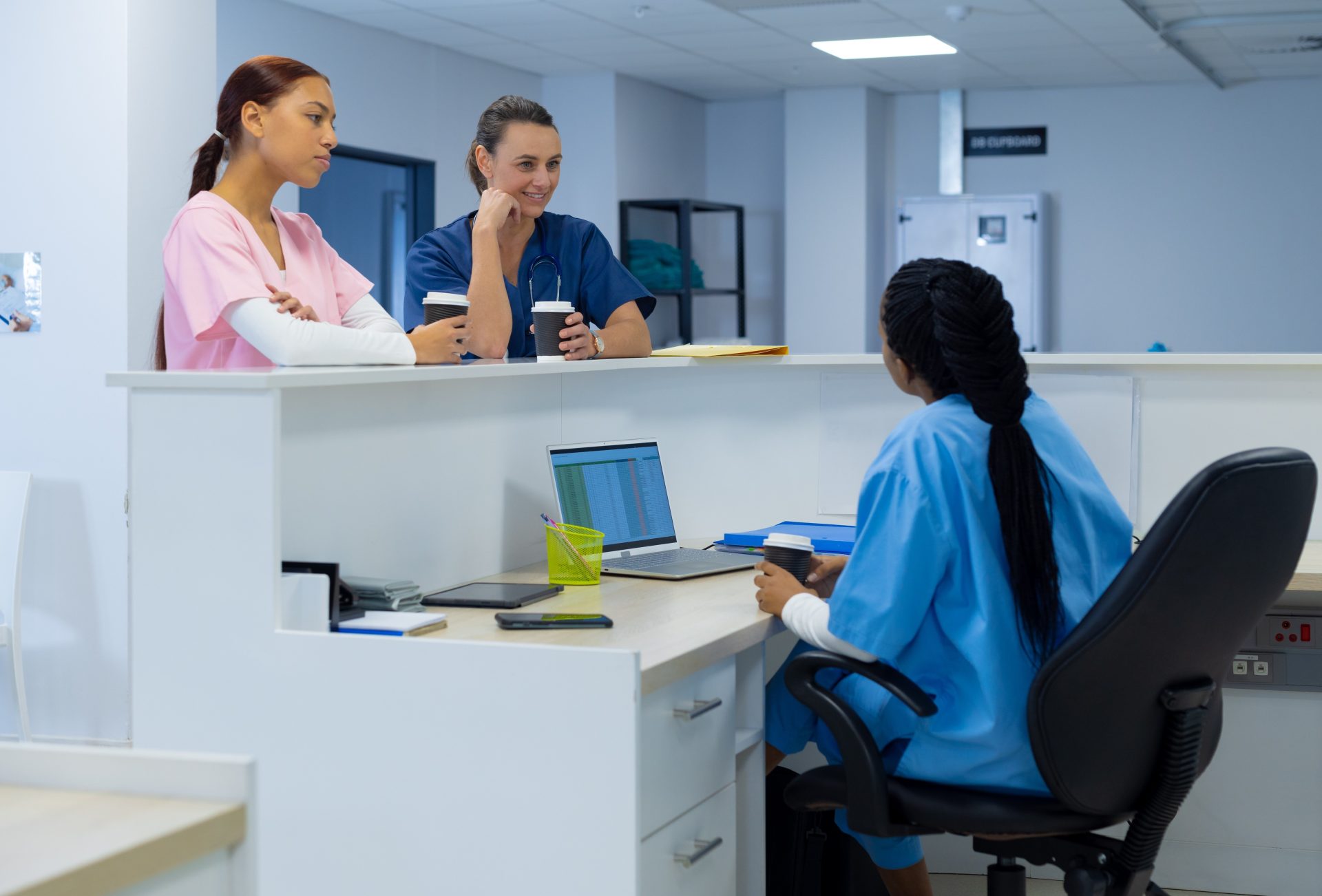
Names have been changed and stock imagery used at the participant’s request.
You can learn more about Deafblind UK’s employability service here.
Hannah’s Story
Working as a receptionist means being the first point of contact for patients visiting the GP practice. Every day, I welcome people, answer a constant stream of calls, respond to enquiries, book appointments, manage patient information and use several different computer systems. It is a fast-paced role that requires organisation, communication and the ability to switch between tasks throughout the day.
I genuinely enjoy my job. I enjoy helping patients, supporting my colleagues and knowing that I make a positive difference. Like anyone starting a new role, I expected there would be a lot to learn. What I didn’t expect was how much harder that learning would be because of inaccessible technology.
Since joining the practice, I’ve had to learn several workplace systems. Learning new software is part of almost every job, but for a deafblind person it can present additional challenges. Some systems are not fully compatible with screen readers, screen magnifiers or Braille displays, making it difficult to navigate menus, complete forms or find information quickly. Software updates can also change layouts or features, meaning I have to adapt all over again.
Working on reception also means working at pace. Patients are waiting, the phone is ringing, appointments need to be booked, and colleagues rely on you to access information quickly. One of the most challenging aspects of my role is answering calls while navigating multiple systems at the same time. If those systems are not fully accessible, even simple tasks can take longer than they should, not because I lack the skills or knowledge, but because the technology creates unnecessary barriers.
The Hidden Challenges Behind Everyday Tasks
Many people only see the finished result. They don’t see the extra concentration it takes to navigate inaccessible systems, the additional time needed to complete routine tasks, or the problem solving required when software doesn’t work with assistive technology.
These challenges often remain invisible to colleagues. From the outside, everything may appear to be running smoothly, but behind the scenes there can be constant adjustments, workarounds and determination simply to complete everyday tasks.
Despite these challenges, I remain committed to working independently, contributing to my team and providing the best possible service to patients. I have the skills, motivation and willingness to succeed – I simply need systems that allow me to use them.
Why Accessibility Matters
Accessibility is about more than meeting legal responsibilities. It is about ensuring every employee has an equal opportunity to succeed by recognising that people work in different ways.
Small changes like these can make a significant difference:
- Choosing workplace systems that are compatible with assistive technology.
- Providing accessible training materials when introducing new software.
- Allowing additional time to learn unfamiliar systems where needed.
- Asking employees what adjustments will help them work effectively.
- Creating an environment where people feel comfortable discussing accessibility without fear of judgement.
When employers invest in accessibility, they invest in their people. It really is that simple.
Looking Beyond Disability
One of the biggest misconceptions about disability is that the disability itself is the barrier. In reality, it’s often the environment that creates the greatest challenges.
When workplaces remove unnecessary barriers and provide accessible technology, deafblind employees can focus on what they do best: supporting colleagues, helping patients and making valuable contributions to their organisation.
Accessibility benefits everyone. Systems that are easier to navigate, training that is more inclusive and workplaces that encourage open conversations about adjustments create better working environments for all employees – not just those with disabilities.
A Final Thought
I don’t want to be treated differently, but I don’t expect special treatment. I simply want the same opportunity as everyone else to learn, develop and do my job to the best of my ability.
My hope in sharing my story is that employers and colleagues will better understand the everyday challenges deafblind people face in the workplace. Accessibility is about inclusion, opportunity and recognising the value that disabled people bring . When workplaces become more accessible, everyone benefits.
Let’s keep in touch!
Join our mailing list and we will keep you up to date about our projects and opportunities to get involved with Deafblind UK.
More Articles
Helping shape the future of PIP, deafblind voices at the heart of change
The people who rely on Personal Independence Payment (PIP) every day are the people best placed to help improve it….
My experience as a Helpline Advisor with Usher Syndrome
“Living with deafblindness from Usher Syndrome and as a mum too, it’s good to share all my experience over the…
My experiences as a deafblind visual artist
Hi, I’m Kelly. I’m 49 years young (ahem) and I run my own small independent business in Derbyshire called 13…