
 Lawrencia
 Beyond Barriers: How Deafblind Entrepreneurs Are Creating Their Own Opportunities

Entrepreneurship is often described as the freedom to create your own path. For many deafblind individuals, it represents something even more powerful: the opportunity to build a career around their skills, ambitions, creativity, and strengths.
Over the past year, I have had the privilege of supporting many participants with a wide range of experiences, aspirations, and goals. One thing that has stood out is the growing number of people exploring self-employment and entrepreneurship as a way of building a future that works for them.
For deafblind participants, self-employment can provide an opportunity to take greater control of their career journey, build confidence, and create a working environment where their abilities are recognised and valued.
Many deafblind individuals face barriers in traditional employment, including misconceptions, inaccessible recruitment processes, and limited workplace support. Rather than being defined by these challenges, some people are choosing to forge their own path through self-employment, creating careers that reflect their strengths, ambitions, and potential.
Entrepreneurship requires creativity, resilience, problem-solving, and determination. These are qualities that many disabled entrepreneurs develop through navigating an inaccessible world
Luther’s Journey: Turning Passion into Entrepreneurship
Meet Luther Ophir, a participant in our Employability Service who is transforming his passion for digital media, interactive arts, and curating into a meaningful career. He is currently building a career as a freelance curator.
Based in Camden, London, Luther is severely sight impaired, has a diagnosed hearing impairment, and experiences sensory cognitive challenges. Despite the challenges he has faced, throughout his life, he has remained focused on pursuing his creative ambitions and is now working towards bringing his
Luther’s story is a powerful story of creativity, determination, and resilience.
As Luther puts it:
“I have always struggled with being diagnosed with Usher’s syndrome, dyslexia, sensory impairment, and Charles Bonnet syndrome, where I experience hallucinations. From a young age, I have been fascinated with computers, digital media, interactive arts, and curating. However, after completing my studies and as my eyesight deteriorated over the years, finding employment became increasingly difficult, and sustaining a job was challenging. After completing my first degree in digital media, I decided that I wanted to turn my passion and hobby into a full-time profession that I truly loved.
Since then, the landscape has changed, and one of the biggest challenges I have faced has been accessing the right support. I have also found building contacts and networking challenging, as I did not have a strong foundation or network of people to support me on my journey.
Despite these challenges, I have continued to push myself. I took part in a leadership programme because I wanted to develop my confidence and stand on my own two feet. My journey as a deafblind person has shown me the importance of having the right support, and I have been encouraged through the valuable support provided by Deafblind UK.
Through the Employability Programme, I have been able to explore funding opportunities, understand my rights, and become more aware of the different options available to help me move forward.”
Luther’s experience highlights that entrepreneurship is about more than overcoming challenges. Through his exhibition and creative work, he is turning his skills, creativity and lived experience into meaningful opportunities, building a career that reflects his ambitions while sharing his unique perspective with others.
The Power of Entrepreneurship
Starting a business is an exciting step for anyone, but for someone who is deafblind, it can also involve unique considerations. Accessing information, developing networks, communicating with customers, securing funding, and finding the right support may require additional planning and flexibility.
However, with the right guidance, technology, and support networks, these challenges can be navigated successfully. Employability services, mentors, organisations, and community networks can play an important role in helping individuals understand their options, develop confidence, and take practical steps towards achieving their goals.
Being deafblind is one part of a person’s identity; it does not define their potential. The stories of entrepreneurs like Luther remind us that ambition, creativity, and talent exist everywhere.
As someone who supports individuals on their employment journeys, I have seen first-hand the passion, determination, and creativity people bring when they are given the opportunity to pursue their ambitions.
If you have ever considered self-employment but are unsure where to begin, you are not alone. Whether you have a business idea, want to explore your options, or need support understanding the next steps, guidance is available.
Through our Employability Service, we support individuals to explore their strengths, build confidence, understand their options, and take practical steps towards achieving their career goals.
Your disability does not define your potential. Your skills, ideas, and ambitions matter.
Luther’s story is a powerful reminder that sometimes the greatest opportunities are created, not found.
Learn more about the employability service and the guidance available.

“I want to do my job well”: being a deafblind receptionist in a digital workplace
In the world of work, having a disability can sometimes feel isolating. There may be moments when you feel overlooked, misunderstood or…
Let’s keep in touch!
Join our mailing list and we will keep you up to date about our projects and opportunities to get involved with Deafblind UK.
More Articles
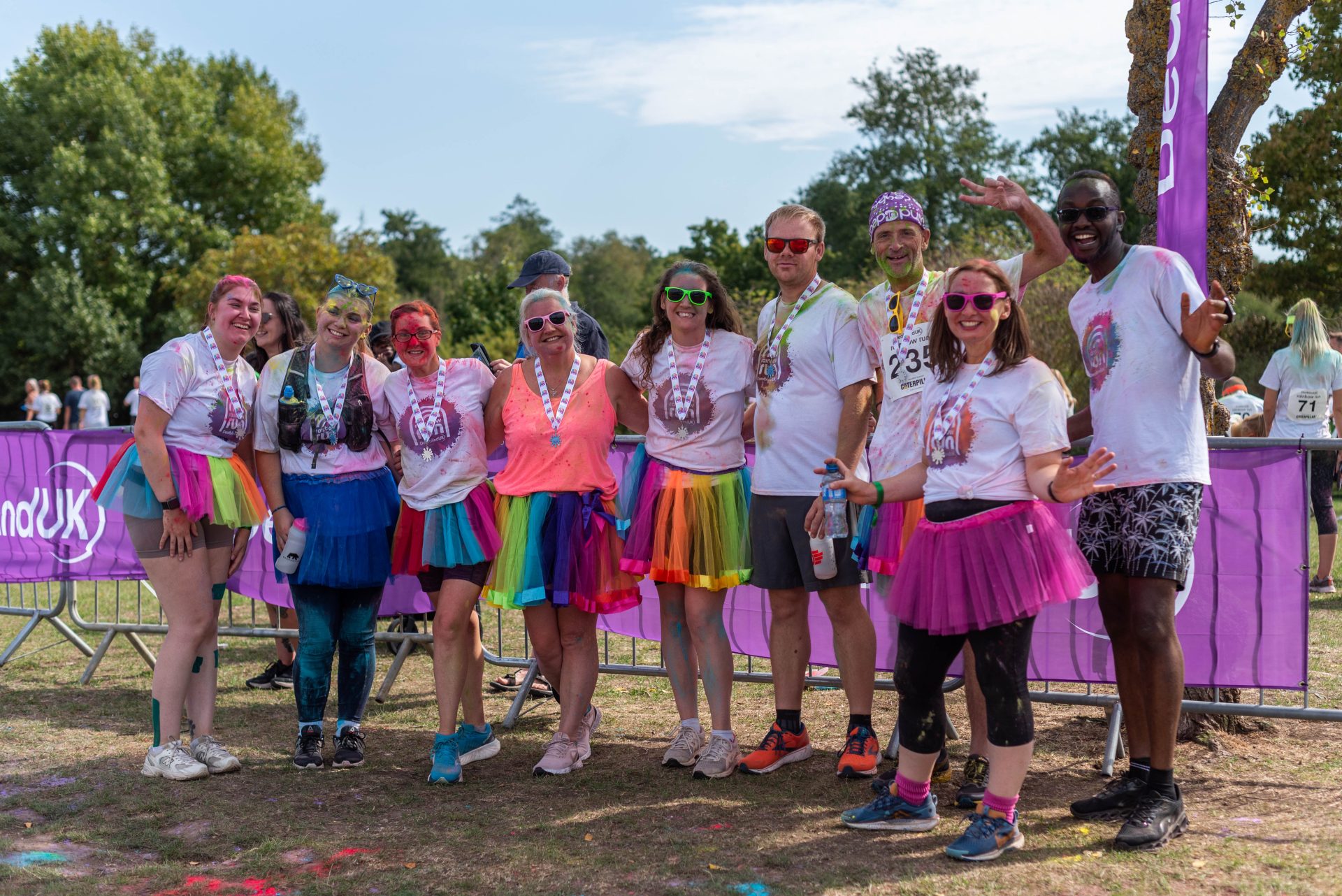
Deafblind UK Rainbow Run announces local charity partners
This year, Deafblind UK is delighted to welcome three fantastic Peterborough-based charities to the Rainbow Run 2026! We are so pleased to…
“I want to do my job well”: being a deafblind receptionist in a digital workplace
In the world of work, having a disability can sometimes feel isolating. There may be moments when you feel overlooked, misunderstood or…
Helping shape the future of PIP, deafblind voices at the heart of change
The people who rely on Personal Independence Payment (PIP) every day are the people best placed to help improve it….